
Nelson Mandela’s life is the ultimate story of resilience, sacrifice, and leadership. Born in 1918 in the small village of Mvezo, South Africa, Mandela began life as the son of a Thembu chief. But his destiny carried him far beyond tradition—towards a role as one of the greatest leaders of the 20th century.
Early Resistance
Mandela’s political consciousness grew during his law studies. He became active in the African National Congress (ANC), determined to dismantle apartheid. His activism led to arrests, harassment, and eventually imprisonment in 1962. For 27 years, Mandela was confined, most of it spent on Robben Island, enduring harsh conditions that tested both his body and spirit.
From Prisoner to President
In 1990, Mandela walked free. By then, the world saw him as a symbol of justice. His release paved the way for negotiations that ended apartheid. In 1994, he became South Africa’s first black president, leading a divided nation towards reconciliation and democracy. His presidency focused on unity, forgiveness, and institutional reform.
Mandela’s Leadership Principles
Mandela’s leadership style was rooted in humility, patience, and inclusion. He believed that leadership meant serving people, not ruling them. His philosophy of forgiveness stunned even his enemies, setting an example for conflict resolution globally.
A Legacy for the World
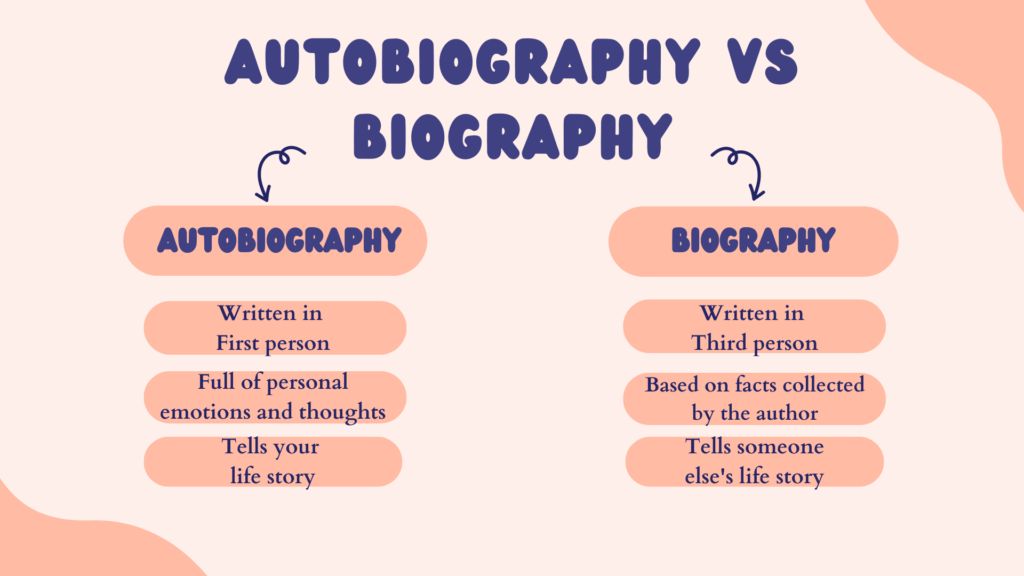
Today, Mandela represents hope not only for South Africans but for humanity. His life shows that no matter the injustice, perseverance and principle can triumph over oppression. His autobiography, Long Walk to Freedom, remains a global bestseller, inspiring millions to stand for justice.